

Hydropower generation depends on the reliable interaction between the hydraulic turbine, main shaft, bearings, and generator. Water drives the turbine runner, which transfers mechanical power through the shaft to the generator, where that mechanical energy is converted into electricity. The turbine-generator train therefore forms the core of the generation process, making its reliable operation essential to plant availability.
Supporting rotating equipment also plays an important role. Pumps provide essential functions such as cooling, lubrication, drainage, and dewatering. Fans may also support cooling or ventilation, depending on the plant design. Although these auxiliary assets are not directly responsible for generating electricity, their condition can affect the availability of the generating unit.
Continuous vibration monitoring provides maintenance and reliability teams with historical insight into the condition of the turbine-generator train and relevant supporting equipment. This is particularly valuable at remote or difficult-to-access hydropower facilities where manual measurements may leave long gaps between inspections.
The challenge: changing hydraulic conditions and remote equipment
Hydropower units operate under conditions that can vary considerably. Water head, flow, generation demand, load, speed, operating range, and start-stop cycles can all influence machine behavior. Hydraulic transients, pressure pulsations, cavitation, and operation away from the preferred operating range can also affect vibration.
These influences make vibration assessment more complex. A change in vibration does not automatically indicate a mechanical fault, and the same turbine-generator unit may exhibit different vibration behavior under different operating conditions. Reliable assessment therefore benefits from vibration trends being evaluated together with relevant information such as speed, load, and operating state.
Access can create an additional challenge. Some hydropower plants are remote, difficult to reach, or operated with limited on-site staff. Periodic measurement routes still provide value, but developing mechanical changes can remain unnoticed between measurement intervals. At the same time, continuously reviewing every machine can place significant demands on limited vibration and reliability expertise.
Why vibration monitoring matters in hydropower generation
Within the main generating unit, vibration monitoring provides insight into the mechanical behavior of the turbine, shaft, bearings, and generator as operating conditions change. Depending on the measurement arrangement and operating condition, analysis may help identify changes associated with imbalance, misalignment, looseness, bearing deterioration, shaft behavior, or structural response. Hydraulic excitation can also influence the measured vibration, making operating context important when interpreting changes.
Continuous monitoring creates a historical record that allows specialists to compare machine behavior across different loads and operating states. This makes it easier to recognize persistent changes, distinguish them from normal operating variation, and determine when further diagnostic analysis or inspection is appropriate.
The generator is particularly important because it forms an integral part of the main turbine-generator train. Changes in bearing condition, rotor behavior, alignment, or other mechanical characteristics can become visible in vibration data. Monitoring these trends provides maintenance teams with additional information for assessing the mechanical condition of the generating unit and planning appropriate maintenance.
Beyond the turbine-generator train, pumps used for cooling, lubrication, drainage, and other auxiliary functions can also benefit from continuous vibration monitoring. Changes in vibration may provide indications related to bearing condition, alignment, imbalance, looseness, or hydraulic influences. Because these pumps support essential plant functions, understanding their mechanical condition can help prevent auxiliary equipment issues from affecting generating-unit availability.
Vibration monitoring does not identify every failure mechanism or replace engineering diagnosis. Instead, it provides earlier visibility into relevant changes and gives specialists better data for determining their likely cause and maintenance significance.
Applying VibSys® in hydropower generation
VibSys® provides continuous vibration data acquisition and local signal processing close to the monitored equipment. Its compact and scalable architecture makes it suitable for distributed hydropower assets, including suitable measurements on turbine-generator units and supporting pumps.
Monitoring can begin with selected assets or measurements where continuous vibration data can improve maintenance decisions. Coverage can then be expanded across additional generators, pumps, generating units, or locations as monitoring requirements develop.
High-quality vibration data remains available for trending and diagnostic analysis, while open connectivity allows relevant indicators and data to be integrated with existing plant, maintenance, or analysis environments. When information such as speed, load, or operating state is available, it can provide important context for interpreting vibration behavior under changing operating conditions.
For remote hydropower facilities, continuous data can reduce dependence on frequent manual measurement routes and allow specialists to assess developing changes without traveling to the site for every initial investigation. This does not eliminate the need for inspections or specialist analysis, but it helps maintenance teams focus their time and expertise where it provides the most value.
VibSys® is intended for vibration condition monitoring, trending, and diagnostics. It does not replace dedicated machine protection, overspeed protection, safety shutdown, or turbine supervisory systems.
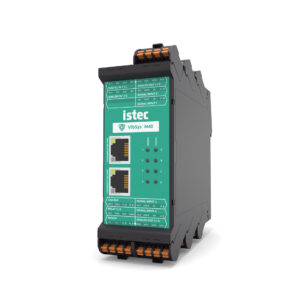
Key advantages for hydropower generation
- Continuous vibration monitoring of suitable turbine-generator measurements and supporting pumps
- Historical trending across changing load and operating conditions
- High-quality vibration data for diagnostic analysis
- Increased condition visibility at remote or difficult-to-access facilities
- Reduced dependence on manual measurement routes
- Scalable deployment across generators, auxiliary equipment, generating units, and locations
- Open connectivity with existing plant and reliability environments
- More efficient use of vibration and reliability expertise
Impact on maintenance and availability
Continuous vibration monitoring helps maintenance teams recognize developing changes in turbine-generator units and supporting equipment before they become apparent during routine inspections or develop into more significant mechanical problems.
For generators and the wider turbine-generator train, historical vibration data supports investigation of developing mechanical changes and helps maintenance teams determine when additional analysis, inspection, or maintenance is appropriate. This provides a stronger basis for maintenance planning around equipment that is directly responsible for electricity generation.
For pumps and other relevant auxiliaries, broader monitoring coverage can provide similar visibility into equipment whose deterioration could eventually restrict generating-unit operation.
The objective is not to automatically prevent failures. The value lies in earlier visibility, better prioritization, and more informed maintenance decisions based on actual machine behavior.
From periodic measurements to scalable condition monitoring
Periodic vibration measurements remain useful for many assets, but their effectiveness depends on measurement frequency, accessibility, and available specialist capacity. At remote hydropower facilities, long intervals between measurements can limit visibility into changing machine condition.
VibSys® enables continuous monitoring to be introduced where it provides the greatest operational value. A plant can start with selected measurements on critical turbine-generator units and expand coverage to additional generators, pumps, and other relevant rotating equipment over time.
This phased approach allows monitoring coverage to grow alongside the plant’s analysis capabilities and maintenance strategy without requiring every rotating asset to be monitored continuously from the start.
Increase monitoring coverage with VibSys®
VibSys® helps hydropower operators extend continuous condition monitoring across turbine-generator units and the supporting rotating equipment that contributes to their reliable operation. By combining high-quality vibration data, local processing, scalable deployment, and open connectivity, VibSys® provides the visibility needed to support more informed maintenance decisions.
This enables maintenance and reliability teams to expand monitoring across generators, turbine-related measurements, and supporting pumps, identify relevant changes earlier, and focus specialist expertise where it provides the most value.
